
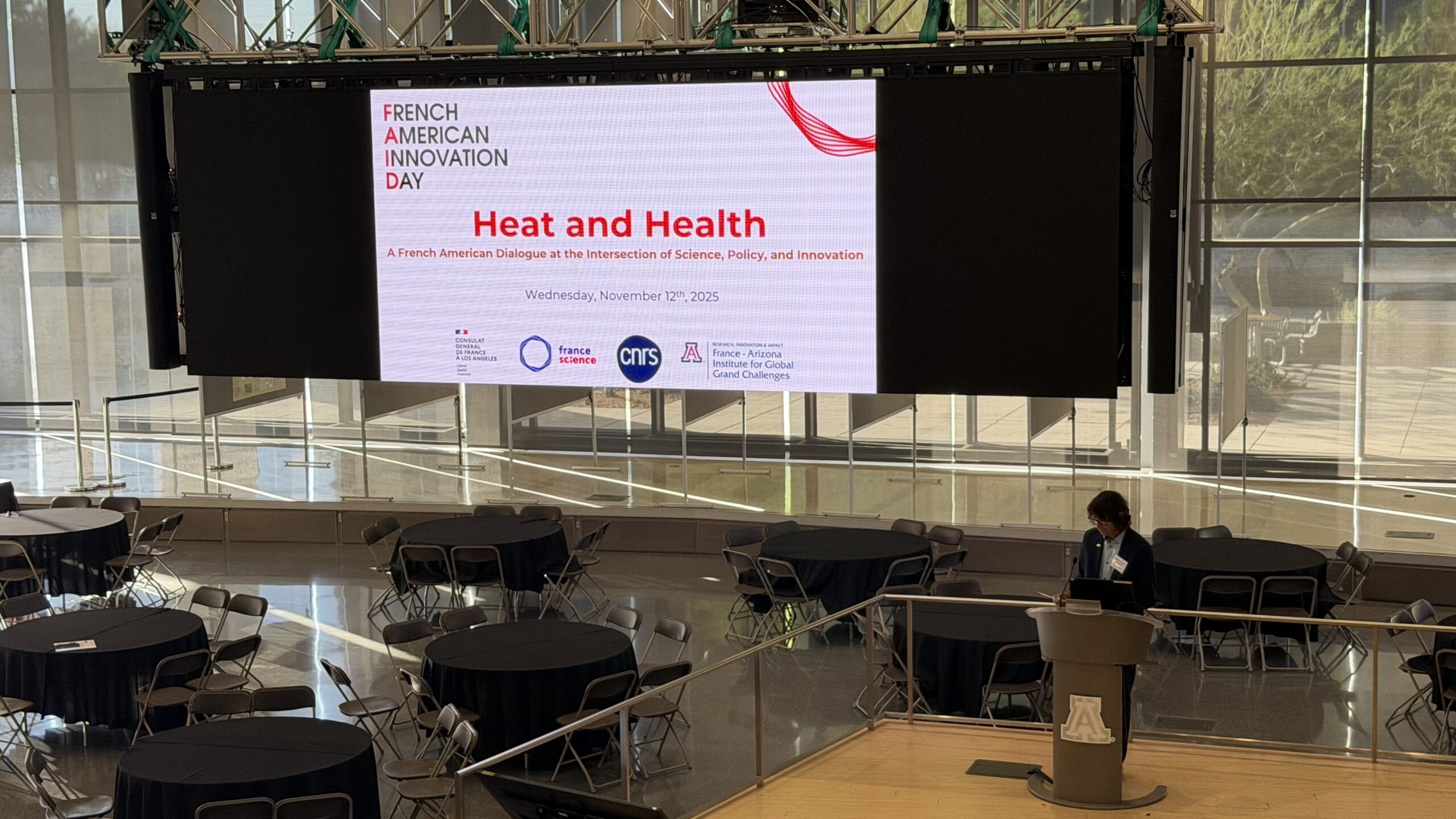
Tucson, Arizona | November 12–13, 2025
The French-American Innovation Days (FAID) on Heat & Health were held on November 12–13, 2025, at the University of Arizona in Tucson. The event brought together French and American researchers, public authorities, policymakers and innovation stakeholders to address one of the most pressing challenges at the intersection of climate change and public health: the increasing impacts of extreme heat on human health and community resilience.
Co-organized by France Science and the France-Arizona Institute for Global Grand Chall
enges (University of Arizona), the symposium aimed to strengthen transatlantic scientific, technological and institutional cooperation by fostering dialogue between academia, public agencies, and industry. Arizona—one of the U.S. states most affected by extreme heat—offered a particularly relevant setting for exploring heat-related health risks, adaptation strategies, and policy responses that may inform other regions in both the United States and Europe.
Aligning science, public policy, and territorial action
The opening session featured welcoming remarks from representatives of France Science, the University of Arizona, the France-Arizona Institute for Global Grand Challenges, the French National Center for Scientific Research (CNRS), the City of Tucson and Arizona state health authorities. Speakers emphasized the growing health, social, and territorial impacts of extreme heat, as well as the importance of reinforcing Franco-American cooperation to address climate-related health challenges.
These institutional perspectives were followed by keynote presentations comparing U.S. and French approaches to heat adaptation and resilience. Particular attention was given to public health preparedness, early warning systems and national strategies for managing heat waves, highlighting both the diversity and complementarity of policy responses on both sides of the Atlantic.
Understanding heat exposure across territories and populations
Scientific sessions were structured around three major thematic areas.
The first focused on the geographies and environmental drivers of heat exposure, examining how urban form, land use, vegetation, and building characteristics shape local microclimates and influence population vulnerability. Presentations underscored the role of urban planning and architectural adaptation in mitigating heat stress, as well as the emergence of new governance models, such as Chief Heat Officers, which reflect the growing institutional recognition of heat as a major public health risk.
A second thematic axis addressed populations disproportionately exposed to heat, including outdoor workers, Indigenous communities, border populations, pregnant women, and residents of rural or underserved areas. Speakers highlighted how heat-related health impacts—ranging from heat stress to cardiovascular, respiratory, and reproductive effects—often intersect with pre-existing social and economic inequalities. Case studies and community-based initiatives illustrated the importance of local resilience strategies and culturally adapted responses, reinforcing the idea that extreme heat acts as a powerful amplifier of social and territorial disparities.
The third axis explored scientific, medical, and technological innovations contributing to heat prevention and adaptation strategies. Discussions covered advances in meteorological forecasting and alert systems, research on indoor heat exposure and building performance, medical approaches to reducing heat-related morbidity and mortality, and the growing role of digital tools and multilingual communication platforms in improving access to prevention and public health information. Together, these contributions emphasized the need for integrated solutions combining environmental data, health research, urban planning, and technological innovation.
Strengthening Franco-American research and innovation partnerships
The symposium concluded with a roundtable discussion on research and innovation partnerships between France and the United States, bringing together representatives from universities, research organizations, public institutions, and industry. Participants highlighted the importance of interdisciplinary research, shared infrastructures, and closer links between academic research and applied innovation. The discussions also provided an opportunity to explore bilateral funding mechanisms and cooperation instruments supporting Franco-American projects in the fields of climate, health, and resilience.
A transatlantic dialogue for climate and health resilience
Overall, the French-American Innovation Days 2025 on Heat & Health demonstrated the value of event formats that closely connect scientific research, innovation, and public action. By fostering high-level, interdisciplinary exchanges and encouraging concrete collaboration opportunities, the symposium contributed to advancing shared understanding and collective responses to the health challenges posed by extreme heat, while reinforcing a sustained transatlantic dialogue on climate and public health resilience.
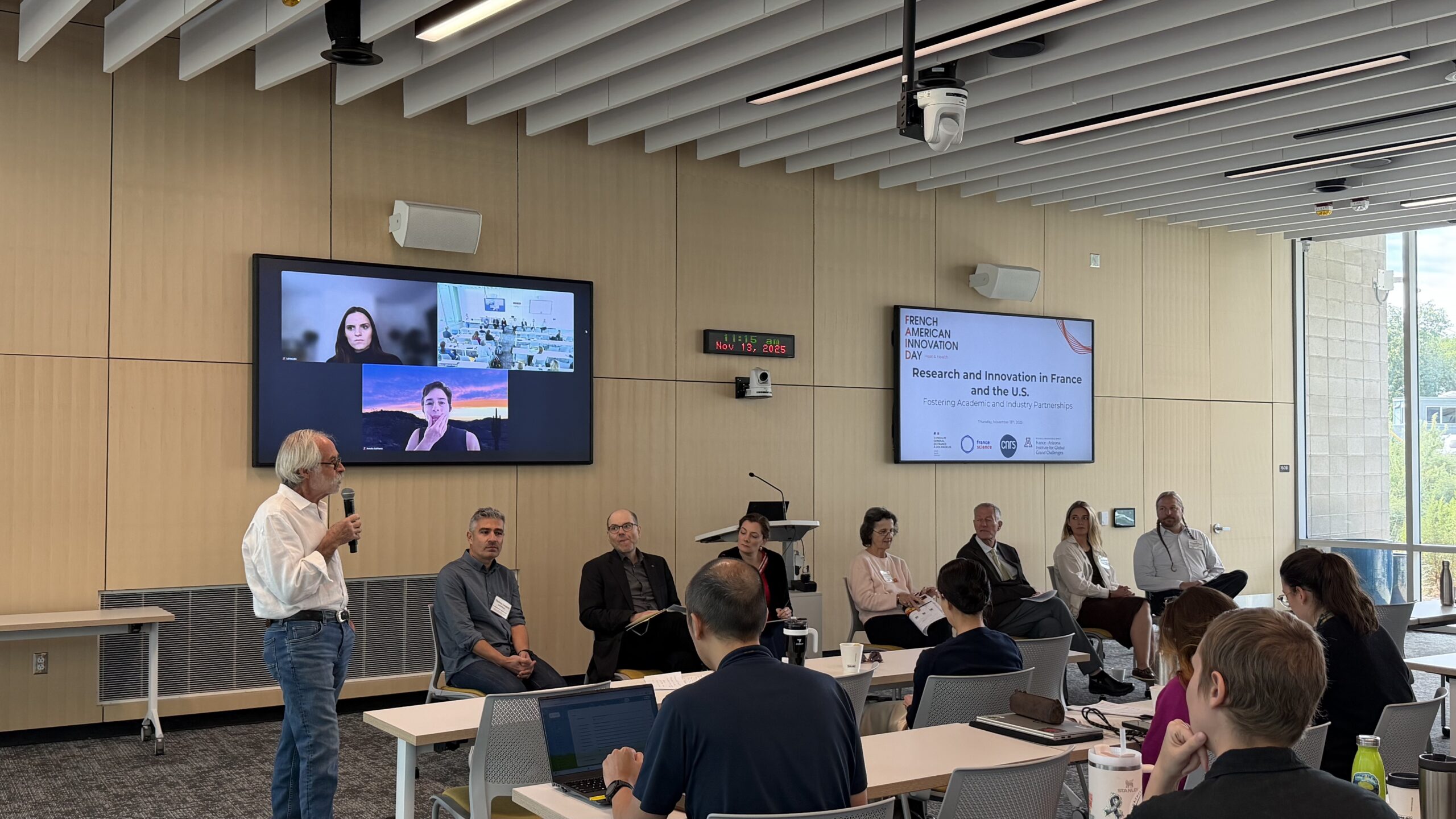
Célestine Belloeil, chargée de mission scientifique au Consulat Général de France à Los Angeles.